

• English
  • العربيةُ
  • български език
  • čeština
  • Dansk
  • Deutsch
  • ελληνικά
  • Español
  • eesti
  • suomi
  • Français
  • हिन्दी
  • hrvatski jezik
  • magyar
  • Bahasa Indonesia
  • Italiano
  • 日本語
  • 한국인
  • lietuvių kalba
  • latviešu valoda
  • Bahasa Melayu
  • Norsk Bokmäl
  • Nederlands
  • Polskie
  • Português (Brasil)
  • Português (Portugal)
  • Română
  • Pусский
  • Slovenčina
  • Slovenski jezik
  • Svenska
  • ไทย
  • Türkçe
  • Tiếng Việt
  • Afganistāna
  • Ālandu salas
  • Albānija
  • Alžīrija
  • amerikāņu Samoa
  • Andora
  • Angola
  • Anguilla
  • Antarktīda
  • Antigva un Barbuda
  • Argentīna
  • Armēnija
  • Aruba
  • Debesbraukšanas sala
  • Austrālija
  • Austrija
  • Azerbaidžāna
  • Bahamu salas
  • Bahreina
  • Bangladeša
  • Barbadosa
  • Baltkrievija
  • Beļģija
  • Beliza
  • Benina
  • Bermudu salas
  • Butāna
  • Bolīvija
  • Bosnija un Hercegovina
  • Botsvāna
  • Buvē sala
  • Brazīlija
  • Britu Indijas okeāna teritorija
  • Bruneja
  • Bulgārija
  • Burkinafaso
  • Burundi
  • Kambodža
  • Kamerūna
  • Kanāda
  • Kaboverde
  • Kaimanu salas
  • Centrālāfrikas Republika
  • Čada
  • Čīle
  • Ķīna
  • Ziemassvētku sala
  • Kokosu (Kīlinga) salas
  • Kolumbija
  • Komoru salas
  • Kongo-Brazavila
  • Kongo-Kinšasa
  • Sala
  • Kostarika
  • Kotdivuāra
  • Horvātija
  • Kipra
  • Čehu Republika
  • Dānija
  • Džibutija
  • Dominika
  • Dominikānas republika
  • Ekvadora
  • Ēģipte
  • Salvadora
  • Ekvatoriālā Gvineja
  • Eritreja
  • Igaunija
  • Etiopija
  • Folklenda salas
  • Fēru salas
  • Fidži
  • Somija
  • Francija
  • Franču Gviāna
  • Franču Polinēzija
  • Francijas dienvidu teritorija
  • Gabona
  • Gambija
  • Gruzija
  • Vācija
  • Gana
  • Gibraltārs
  • Grieķija
  • Grenlande
  • Grenāda
  • Gvadelupa
  • Guama
  • Gvatemala
  • Gērnsija
  • Gvineja
  • Gvineja-Bisava
  • Gajāna
  • Haiti
  • Hērda un Makdonalda salas
  • Hondurasa
  • Hongkonga Īpašā administratīvā zona
  • Ungārija
  • Islande
  • Indija
  • Indonēzija
  • Irāka
  • Īrija
  • cilvēka sala
  • Izraēla
  • Itālija
  • Jamaika
  • Japāna
  • Džērsija
  • Jordānija
  • Kazahstāna
  • Kenija
  • Kiribati
  • Dienvidkoreja
  • Kuveita
  • Kirgizstāna
  • Laosa
  • Latvija
  • Libāna
  • Lesoto
  • Libērija
  • Lībija
  • Lihtenšteina
  • Lietuva
  • Luksemburga
  • Makao Īpašā administratīvā zona
  • Madagaskara
  • Malāvija
  • Malaizija
  • Maldīvija
  • Mali
  • Malta
  • Māršala salas
  • Martinika
  • Mauritānija
  • Maurīcija
  • Majota
  • Meksika
  • Mikronēzija
  • Moldova
  • Monako
  • Mongolija
  • Melnkalne
  • Montserrata
  • Maroka
  • Mozambika
  • Mjanma (Birma)
  • Namībija
  • Nauru
  • Nepāla
  • Nīderlande
  • Nīderlandes Antiļas
  • Jaunkaledonija
  • Jaunzēlande
  • Nikaragva
  • Nigēra
  • Nigērija
  • Niue
  • Norfolkas sala
  • Ziemeļmaķedonija
  • Ziemeļu Marianas salas
  • Norvēģija
  • Omāna
  • Pakistāna
  • Palau
  • Palestīnas teritorijas
  • Panama
  • Papua Jaungvineja
  • Paragvaja
  • Peru
  • Filipīnas
  • Pitkērnas salas
  • Polija
  • Portugāle
  • Puertoriko
  • Katara
  • Atkalapvienošanās
  • Rumānija
  • Krievija
  • Ruanda
  • Samoa
  • Sanmarīno
  • Santome un Prinsipi
  • Saūda Arābija
  • Senegāla
  • Serbija
  • Seišelu salas
  • Sjerraleone
  • Singapūra
  • Slovākija
  • Slovēnija
  • Zālamana salas
  • Somālija
  • Dienvidāfrika
  • Dienviddžordžija un Dienvidsendviču salas
  • Spānija
  • Šrilanka
  • Svētais Mārtiņš
  • Svētā Helēna
  • Sentkitsa un Nevisa
  • Sentlūsija
  • Senpjēra un Mikelona
  • Sentvinsenta un Grenadīnas
  • Sudāna
  • Surinama
  • Svalbāra un Jans Majens
  • Esvatīni
  • Zviedrija
  • Šveice
  • Taivāna
  • Tadžikistāna
  • Tanzānija
  • Taizeme
  • Austrumtimora
  • Iet
  • Tokelau
  • Tonga
  • Trinidada un Tobāgo
  • Tristans da Kunja
  • Tunisija
  • Turcija
  • Turkmenistāna
  • Tērksas un Kaikosas salas
  • Tuvalu
  • Uganda
  • Ukraina
  • Apvienotie Arābu Emirāti
  • U.K
  • Amerika
  • ASV attālās salas
  • Urugvaja
  • Uzbekistāna
  • Vanuatu
  • Vatikāna pilsēta
  • Venecuēla
  • Vjetnama
  • Virdžīnu salas, ASV
  • Britu Virdžīnu salas
  • Volisa un Futunas salas
  • Rietumsahāra
  • Jemena
  • Zambija
  • Zimbabve

AIZVĒRT

/ /

The Best Packable Sun Hats of 2024

Apr 18,2024 | EINSKEY

A sun hat is a crucial part of a traveler’s wardrobe, acting as both a style statement and a layer of protection from the natural elements. It’s an especially important piece for those who are conscious of the sun’s harmful effects on their skin and those who spend a significant amount of time on the beach, by the pool, or partaking in other outdoor adventures during their travels.

While donning a floppy, straw, or bucket hat is par for the course on many vacations, there is one question that regularly precedes departure: what’s the best way to travel with a sun hat? After all, many of them can be big, bulky, and awkward to maneuver through airports, or impossible to fit into a suitcase without getting destroyed. There are a variety of tips, tricks, and tools to the art of packing this type of accessory — more on that below — but the easiest answer is to find a packable hat, one that’s designed to be folded or shaped into something more transportable. Read on to discover the best packable sun hats of 2024.
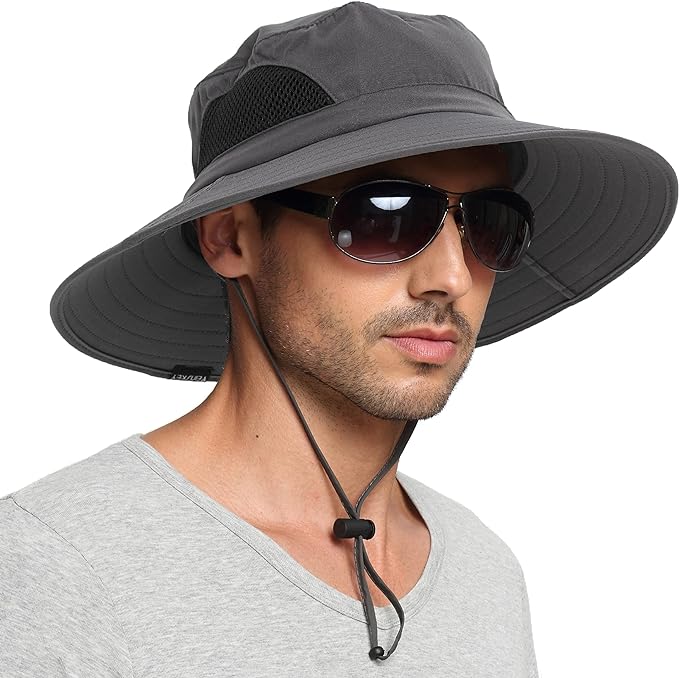
 

The EINSKEY Waterproof Wide Brim Bucket Hat is every outdoor adventurer’s dream. The unisex style has multiple features and characteristics that align with hiking, camping, or any extended period of time spent outside. For starters, the water-repellent polyester material is incredibly lightweight and effective at preventing rain from getting through the barrier.

The hat maintains a UPF rating of 50+, and the brim measures nearly 4 inches, which means it works wonders to shield your eyes, face, and neck from the sun. Additional attributes include breathable mesh panels, a built-in sweatband, and a convenient ponytail hole. To ensure a proper fit, adjust the elastic drawstring and chin strap as needed. When not in use, it can be folded and stored in your hiking backpack.

Tips for Buying Packable Sun Hats

Choose a hat with a high UPF rating and adjustable features

A summer hat’s first job is to protect you from the sun’s harmful rays. To determine just how well it will perform, look for its UPF (UV Protection Factor) rating. This number indicates how much a piece of clothing or accessory will protect against ultraviolet energy — and how much UV radiation could reach your skin. A good rule of thumb is to aim for a sun hat with a UPF of 30 or higher; the higher the UPF, the better. The highest UPF rating is 50+, which means the hat will block at least 98 percent of UV radiation. You’ll also want to consider a sun hat that has adjustable features — whether the brim itself can be molded to your preference, the chin straps can be tightened or loosened, or the band can be taken in or out to perfect the fit. This flexibility guarantees the hat will sit atop your head properly, and you’ll get the most wear from your purchase.

Think about your intended activity

Before you purchase a new sun hat for your Caribbean trip or Florida vacation, take a look at your itinerary. While a wide-brim sun hat is ideal for lounging at the beach, you may want something more secure for more active pursuits like hiking or running. Visors combine protection with ventilation (and they’re more comfortable for lying back in a chair). And if you’re going to be on a boat or somewhere especially windy, choose a hat with a chin strap to ensure it doesn’t blow away.

Consider the material

Sun hats come in a variety of different materials and fabrics, but some will keep you cooler and more covered than others. For the most part, you’ll want to stick with breathable, quick-drying, and lightweight materials, such as nylon, linen, straw, palm, and cotton. You can then narrow down your selection based on the materials’ qualities: straw is one of the most breathable options, but it’s harder to clean. Nylon, palm, and linen all serve to wick away moisture; cotton, although comfortable, doesn’t hold its shape when wet.


Frequently Asked Questions
  • What is the coolest material for a sun hat?

    There’s a reason many of the summer hats you’ll find are made of straw. Thanks to its open weave and overall better circulation, straw tends to keep you the coolest while in the sun. Straw, however, isn’t every traveler’s first choice for a sun hat (as it’s more susceptible to damage caused by moisture and general wear and tear). Travelers in search of an alternative material should look for hats made out of linen, cotton, or sweat-wicking polyester.

  • How do I pack a packable sun hat?

    There are a few ways to transport a packable sun hat. For the most part, you’ll be able to fold or roll the hat into a more manageable shape; just be sure to check the brand or manufacturer’s instructions first. Another packing hack is to lay the upside-down hat in your suitcase and support the inside of the crown and the brim with clothes (filled packing cubes are also great for this trick).  

  • What size brim is best for sun protection?

    The wider the hat brim, the more sun protection you can expect. Most travelers should aim to wear a hat with a brim of 3 or more inches; this size usually falls in the “wide brim” category. Of course, wide brims aren’t suitable for all activities, but a wide-brim hat is highly recommended for anyone who will experience prolonged exposure to direct sunlight.

komentēt

Vārds
Pasta
komentēt