• English
  • Ø§Ų„ØđØąØĻ؊ØĐŲ
  • ÐąŅŠÐŧÐģÐ°Ņ€ŅÐšÐļ ÐĩзÐļК
  • čeÅĄtina
  • Dansk
  • Deutsch
  • ÎĩÎŧÎŧÎ·Î―ÎđΚΎ
  • EspaÃąol
  • eesti
  • suomi
  • Français
  • āĪđāĪŋāĪĻāĨāĪĶāĨ€
  • hrvatski jezik
  • magyar
  • Bahasa Indonesia
  • Italiano
  • æ—ĨæœŽčŠž
  • 한ęĩ­ėļ
  • lietuviÅģ kalba
  • latvieÅĄu valoda
  • Bahasa Melayu
  • Norsk BokmÃĪl
  • Nederlands
  • Polskie
  • PortuguÊs (Brasil)
  • PortuguÊs (Portugal)
  • RomÃĒnă
  • PŅƒŅŅÐšÐļÐđ
  • Slovenčina
  • Slovenski jezik
  • Svenska
  • āđ„āļ—āļĒ
  • TÞrkçe
  • Tiášŋng Viáŧ‡t
  • āļ­āļąāļŸāļāļēāļ™āļīāļŠāļ–āļēāļ™
  • āļŦāļĄāļđāđˆāđ€āļāļēāļ°āđ‚āļ­āļĨāļąāļ™āļ”āđŒ
  • āđāļ­āļĨāđ€āļšāđ€āļ™āļĩāļĒ
  • āđāļ­āļĨāļˆāļĩāđ€āļĢāļĩāļĒ
  • āļ­āđ€āļĄāļĢāļīāļāļąāļ™āļ‹āļēāļĄāļąāļ§
  • āļ­āļąāļ™āļ”āļ­āļĢāđŒāļĢāļē
  • āđāļ­āļ‡āđ‚āļāļĨāļē
  • āđāļ­āļ‡āļāļ§āļīāļĨāļĨāļē
  • āđāļ­āļ™āļ•āļēāļĢāđŒāļāļ•āļīāļāļē
  • āđāļ­āļ™āļ•āļīāļāļēāđāļĨāļ°āļšāļēāļĢāđŒāļšāļđāļ”āļē
  • āļ­āļēāļĢāđŒāđ€āļˆāļ™āļ•āļīāļ™āļē
  • āļ­āļēāļĢāđŒāđ€āļĄāđ€āļ™āļĩāļĒ
  • āļ­āļēāļĢāļđāļšāļē
  • āđ€āļāļēāļ°āļŠāļ§āļĢāļĢāļ„āđŒ
  • āļ­āļ­āļŠāđ€āļ•āļĢāđ€āļĨāļĩāļĒ
  • āļ­āļ­āļŠāđ€āļ•āļĢāļĩāļĒ
  • āļ­āļēāđ€āļ‹āļ­āļĢāđŒāđ„āļšāļˆāļēāļ™
  • āļšāļēāļŪāļēāļĄāļēāļŠ
  • āļšāļēāļŦāđŒāđ€āļĢāļ™
  • āļšāļąāļ‡āļ„āļĨāļēāđ€āļ—āļĻ
  • āļšāļēāļĢāđŒāđ€āļšāđ‚āļ”āļŠ
  • āđ€āļšāļĨāļēāļĢāļļāļŠ
  • āđ€āļšāļĨāđ€āļĒāļĩāļĒāļĄ
  • āđ€āļšāļĨāļĩāļ‹
  • āđ€āļšāļ™āļīāļ™
  • āđ€āļšāļ­āļĢāđŒāļĄāļīāļ§āļ”āļē
  • āļ āļđāļāļēāļ™
  • āđ‚āļšāļĨāļīāđ€āļ§āļĩāļĒ
  • āļšāļ­āļŠāđ€āļ™āļĩāļĒāđāļĨāļ°āđ€āļŪāļ­āļĢāđŒāđ€āļ‹āđ‚āļāļ§āļĩāļ™āļē
  • āļšāļ­āļ•āļŠāļ§āļēāļ™āļē
  • āđ€āļāļēāļ°āļšāļđāđ€āļ§āļ•
  • āļšāļĢāļēāļ‹āļīāļĨ
  • āļšāļĢāļīāļ•āļīāļŠāļ­āļīāļ™āđ€āļ”āļĩāļĒāļ™āđ‚āļ­āđ€āļŠāļĩāļĒāļ™āđ€āļ—āļĢāđŒāļĢāļīāļ—āļ­āļĢāļĩ
  • āļšāļĢāļđāđ„āļ™
  • āļšāļąāļĨāđāļāđ€āļĢāļĩāļĒ
  • āļšāļđāļĢāđŒāļāļīāļ™āļēāļŸāļēāđ‚āļ‹
  • āļšāļļāļĢāļļāļ™āļ”āļĩ
  • āļāļąāļĄāļžāļđāļŠāļē
  • āđāļ„āđ€āļĄāļ­āļĢāļđāļ™
  • āđāļ„āļ™āļēāļ”āļē
  • āđ€āļ„āļ›āđ€āļ§āļīāļĢāđŒāļ”
  • āļŦāļĄāļđāđˆāđ€āļāļēāļ°āđ€āļ„āļĒāđŒāđāļĄāļ™
  • āļŠāļēāļ˜āļēāļĢāļ“āļĢāļąāļāđāļ­āļŸāļĢāļīāļāļēāļāļĨāļēāļ‡
  • āļŠāļēāļ”
  • āļŠāļīāļĨāļĩ
  • āļˆāļĩāļ™
  • āđ€āļāļēāļ°āļ„āļĢāļīāļŠāļ•āđŒāļĄāļēāļŠ
  • āļŦāļĄāļđāđˆāđ€āļāļēāļ°āđ‚āļ„āđ‚āļ„āļŠ (āļŦāļĄāļđāđˆāđ€āļāļēāļ°āļ„āļĩāļĨāļīāļ‡)
  • āđ‚āļ„āļĨāļ­āļĄāđ€āļšāļĩāļĒ
  • āļ„āļ­āđ‚āļĄāđ‚āļĢāļŠ
  • āļ„āļ­āļ‡āđ‚āļ - āļšāļĢāļēāļ‹āļ‹āļēāļ§āļīāļĨ
  • āļ„āļ­āļ‡āđ‚āļ - āļāļīāļ™āļŠāļēāļ‹āļē
  • āļŦāļĄāļđāđˆāđ€āļāļēāļ°āļ„āļļāļ
  • āļ„āļ­āļŠāļ•āļēāļĢāļīāļāļē
  • āđ‚āļāļ•āļ”āļīāļ§āļąāļ§āļĢāđŒ
  • āđ‚āļ„āļĢāđ€āļ­āđ€āļŠāļĩāļĒ
  • āđ„āļ‹āļ›āļĢāļąāļŠ
  • āđ€āļŠāđ‡āļ
  • āđ€āļ”āļ™āļĄāļēāļĢāđŒāļ
  • āļˆāļīāļšāļđāļ•āļĩ
  • āđ‚āļ”āļĄāļīāļ™āļīāļāļē
  • āļŠāļēāļ˜āļēāļĢāļ“āļĢāļąāļāđ‚āļ”āļĄāļīāļ™āļīāļāļąāļ™
  • āđ€āļ­āļāļ§āļēāļ”āļ­āļĢāđŒ
  • āļ­āļĩāļĒāļīāļ›āļ•āđŒ
  • āđ€āļ­āļĨāļ‹āļąāļĨāļ§āļēāļ”āļ­āļĢāđŒ
  • āļ­āļīāđ€āļ„āļ§āļ—āļ­āđ€āļĢāļĩāļĒāļĨāļāļīāļ™āļĩ
  • āđ€āļ­āļĢāļīāđ€āļ—āļĢāļĩāļĒ
  • āđ€āļ­āļŠāđ‚āļ•āđ€āļ™āļĩāļĒ
  • āđ€āļ­āļ˜āļīāđ‚āļ­āđ€āļ›āļĩāļĒ
  • āļŦāļĄāļđāđˆāđ€āļāļēāļ°āļŸāļ­āļĨāđŒāļāđāļĨāļ™āļ”āđŒ
  • āļŦāļĄāļđāđˆāđ€āļāļēāļ°āđāļŸāđ‚āļĢ
  • āļŸāļīāļˆāļī
  • āļŸāļīāļ™āđāļĨāļ™āļ”āđŒ
  • āļāļĢāļąāđˆāļ‡āđ€āļĻāļŠ
  • āđ€āļŸāļĢāļ™āļŠāđŒāđ€āļāļĩāļĒāļ™āļē
  • āđ€āļŸāļĢāļ™āļŠāđŒāđ‚āļ›āļĨāļīāļ™āļĩāđ€āļ‹āļĩāļĒ
  • āđ€āļŸāļĢāļ™āļŠāđŒāđ€āļ‹āļēāđ€āļ—āļīāļĢāđŒāļ™āđ€āļ—āļĢāđŒāļĢāļīāļ—āļ­āļĢāļĩāļŠāđŒ
  • āļāļēāļšāļ­āļ‡
  • āđāļāļĄāđ€āļšāļĩāļĒ
  • āļˆāļ­āļĢāđŒāđ€āļˆāļĩāļĒ
  • āđ€āļĒāļ­āļĢāļĄāļ™āļĩ
  • āļāļēāļ™āļē
  • āļĒāļīāļšāļĢāļ­āļĨāļ•āļēāļĢāđŒ
  • āļāļĢāļĩāļ‹
  • āļāļĢāļĩāļ™āđāļĨāļ™āļ”āđŒ
  • āđ€āļāļĢāđ€āļ™āļ”āļē
  • āļāļ§āļēāđ€āļ”āļ­āļĨāļđāļ›
  • āļāļ§āļĄ
  • āļāļąāļ§āđ€āļ•āļĄāļēāļĨāļē
  • āđ€āļāļīāļĢāđŒāļ™āļ‹āļĩāļĒāđŒ
  • āļāļīāļ™āļĩ
  • āļāļīāļ™āļĩ-āļšāļīāļŠāđ€āļ‹āļē
  • āļāļēāļĒāļ­āļēāļ™āļē
  • āđ€āļŪāļ•āļī
  • āđ€āļāļēāļ°āđ€āļŪāļīāļĢāđŒāļ”āđāļĨāļ°āļŦāļĄāļđāđˆāđ€āļāļēāļ°āđāļĄāļāļ”āļ­āļ™āļąāļĨāļ”āđŒ
  • āļŪāļ­āļ™āļ”āļđāļĢāļąāļŠ
  • āđ€āļ‚āļ•āļ›āļāļ„āļĢāļ­āļ‡āļžāļīāđ€āļĻāļĐāļŪāđˆāļ­āļ‡āļāļ‡
  • āļŪāļąāļ‡āļāļēāļĢāļĩ
  • āđ„āļ­āļ‹āđŒāđāļĨāļ™āļ”āđŒ
  • āļ­āļīāļ™āđ€āļ”āļĩāļĒ
  • āļ­āļīāļ™āđ‚āļ”āļ™āļĩāđ€āļ‹āļĩāļĒ
  • āļ­āļīāļĢāļąāļ
  • āđ„āļ­āļĢāđŒāđāļĨāļ™āļ”āđŒ
  • āđ„āļ­āļĨāđŒāļ­āļ­āļŸāđāļĄāļ™
  • āļ­āļīāļŠāļĢāļēāđ€āļ­āļĨ
  • āļ­āļīāļ•āļēāļĨāļĩ
  • āļˆāļēāđ„āļĄāļāļē
  • āļāļĩāđˆāļ›āļļāđˆāļ™
  • āđ€āļˆāļ­āļĢāđŒāļ‹āļĩāļĒāđŒ
  • āļˆāļ­āļĢāđŒāđāļ”āļ™
  • āļ„āļēāļ‹āļąāļ„āļŠāļ–āļēāļ™
  • āđ€āļ„āļ™āļĒāļē
  • āļ„āļīāļĢāļīāļšāļēāļŠ
  • āđ€āļāļēāļŦāļĨāļĩāđƒāļ•āđ‰
  • āļ„āļđāđ€āļ§āļ•
  • āļ„āļĩāļĢāđŒāļāļĩāļ‹āļŠāļ–āļēāļ™
  • āļĨāļēāļ§
  • āļĨāļąāļ•āđ€āļ§āļĩāļĒ
  • āđ€āļĨāļšāļēāļ™āļ­āļ™
  • āđ€āļĨāđ‚āļ‹āđ‚āļ—
  • āđ„āļĨāļšāļĩāđ€āļĢāļĩāļĒ
  • āļĨāļīāđ€āļšāļĩāļĒ
  • āļĨāļīāļāđ€āļ•āļ™āļŠāđ„āļ•āļ™āđŒ
  • āļĨāļīāļ—āļąāļ§āđ€āļ™āļĩāļĒ
  • āļĨāļąāļāđ€āļ‹āļĄāđ€āļšāļīāļĢāđŒāļ
  • āđ€āļ‚āļ•āļ›āļāļ„āļĢāļ­āļ‡āļžāļīāđ€āļĻāļĐāļĄāļēāđ€āļāđŠāļē
  • āļĄāļēāļ”āļēāļāļąāļŠāļāļēāļĢāđŒ
  • āļĄāļēāļĨāļēāļ§āļĩ
  • āļĄāļēāđ€āļĨāđ€āļ‹āļĩāļĒ
  • āļĄāļąāļĨāļ”āļĩāļŸāļŠāđŒ
  • āļĄāļēāļĨāļĩ
  • āļĄāļ­āļĨāļ•āļē
  • āļŦāļĄāļđāđˆāđ€āļāļēāļ°āļĄāļēāļĢāđŒāđāļŠāļĨāļĨāđŒ
  • āļĄāļēāļĢāđŒāļ•āļīāļ™āļĩāļ
  • āļĄāļ­āļĢāļīāđ€āļ•āđ€āļ™āļĩāļĒ
  • āļĄāļ­āļĢāļīāđ€āļŠāļĩāļĒāļŠ
  • āļĄāļēāļĒāļ­āļ•
  • āđ€āļĄāđ‡āļāļ‹āļīāđ‚āļ
  • āđ„āļĄāđ‚āļ„āļĢāļ™āļĩāđ€āļ‹āļĩāļĒ
  • āļĄāļ­āļĨāđ‚āļ”āļ§āļē
  • āđ‚āļĄāļ™āļēāđ‚āļ
  • āļĄāļ­āļ‡āđ‚āļāđ€āļĨāļĩāļĒ
  • āļĄāļ­āļ™āđ€āļ•āđ€āļ™āđ‚āļāļĢ
  • āļĄāļ­āļ™āļ•āđŒāđ€āļ‹āļ­āļĢāđŒāļĢāļąāļ•
  • āđ‚āļĄāļĢāđ‡āļ­āļāđ‚āļ
  • āđ‚āļĄāļ‹āļąāļĄāļšāļīāļ
  • āđ€āļĄāļĩāļĒāļ™āļĄāļēāļĢāđŒ (āļžāļĄāđˆāļē)
  • āļ™āļēāļĄāļīāđ€āļšāļĩāļĒ
  • āļ™āļēāļ­āļđāļĢāļđ
  • āđ€āļ™āļ›āļēāļĨ
  • āđ€āļ™āđ€āļ˜āļ­āļĢāđŒāđāļĨāļ™āļ”āđŒ
  • āđ€āļ™āđ€āļ˜āļ­āļĢāđŒāđāļĨāļ™āļ”āđŒāđāļ­āļ™āļ—āļīāļĨāļĨāļīāļŠ
  • āļ™āļīāļ§āđāļ„āļĨāļīāđ‚āļ”āđ€āļ™āļĩāļĒ
  • āļ™āļīāļ§āļ‹āļĩāđāļĨāļ™āļ”āđŒ
  • āļ™āļīāļāļēāļĢāļēāļāļąāļ§
  • āđ„āļ™āđ€āļˆāļ­āļĢāđŒ
  • āđ„āļ™āļˆāļĩāđ€āļĢāļĩāļĒ
  • āļ™āļĩāļ­āļđāđ€āļ­
  • āđ€āļāļēāļ°āļ™āļ­āļĢāđŒāļŸāļ­āļĨāđŒāļ
  • āļ™āļ­āļĢāđŒāļ—āļĄāļēāļ‹āļīāđ‚āļ”āđ€āļ™āļĩāļĒ
  • āļŦāļĄāļđāđˆāđ€āļāļēāļ°āļ™āļ­āļĢāđŒāđ€āļ—āļīāļĢāđŒāļ™āļĄāļēāđ€āļĢāļĩāļĒāļ™āļē
  • āļ™āļ­āļĢāđŒāđ€āļ§āļĒāđŒ
  • āđ‚āļ­āļĄāļēāļ™
  • āļ›āļēāļāļĩāļŠāļ–āļēāļ™
  • āļ›āļēāđ€āļĨāļē
  • āļ”āļīāļ™āđāļ”āļ™āļ›āļēāđ€āļĨāļŠāđ„āļ•āļ™āđŒ
  • āļ›āļēāļ™āļēāļĄāļē
  • āļ›āļēāļ›āļąāļ§āļ™āļīāļ§āļāļīāļ™āļĩ
  • āļ›āļēāļĢāļēāļāļ§āļąāļĒ
  • āđ€āļ›āļĢāļđ
  • āļŸāļīāļĨāļīāļ›āļ›āļīāļ™āļŠāđŒ
  • āļŦāļĄāļđāđˆāđ€āļāļēāļ°āļžāļīāļ•āđāļ„āļĢāđŒāļ™
  • āđ‚āļ›āđāļĨāļ™āļ”āđŒ
  • āđ‚āļ›āļĢāļ•āļļāđ€āļāļŠ
  • āđ€āļ›āļ­āļĢāđŒāđ‚āļ•āļĢāļīāđ‚āļāđ‰
  • āļāļēāļ•āļēāļĢāđŒ
  • āđ€āļĢāļ­āļđāđ€āļ™āļĩāļĒāļ‡
  • āđ‚āļĢāļĄāļēāđ€āļ™āļĩāļĒ
  • āļĢāļąāļŠāđ€āļ‹āļĩāļĒ
  • āļĢāļ§āļąāļ™āļ”āļē
  • āļ‹āļēāļĄāļąāļ§
  • āļ‹āļēāļ™āļĄāļēāļĢāļĩāđ‚āļ™
  • āđ€āļ‹āļēāļ•āļđāđ€āļĄāđāļĨāļ°āļ›āļĢāļīāļ™āļ‹āļīāļ›āļĩ
  • āļ‹āļēāļ­āļļāļ”āļĩāļ­āļēāļĢāļ°āđ€āļšāļĩāļĒ
  • āđ€āļ‹āđ€āļ™āļāļąāļĨ
  • āđ€āļ‹āļ­āļĢāđŒāđ€āļšāļĩāļĒ
  • āđ€āļ‹āđ€āļŠāļĨāļŠāđŒ
  • āđ€āļ‹āļĩāļĒāļĢāđŒāļĢāļēāļĨāļĩāđ‚āļ­āļ™
  • āļŠāļīāļ‡āļ„āđ‚āļ›āļĢāđŒ
  • āļŠāđ‚āļĨāļ§āļēāđ€āļāļĩāļĒ
  • āļŠāđ‚āļĨāļ§āļĩāđ€āļ™āļĩāļĒ
  • āļŦāļĄāļđāđˆāđ€āļāļēāļ°āđ‚āļ‹āđ‚āļĨāļĄāļ­āļ™
  • āđ‚āļ‹āļĄāļēāđ€āļĨāļĩāļĒ
  • āđāļ­āļŸāļĢāļīāļāļēāđƒāļ•āđ‰
  • āđ€āļāļēāļ°āđ€āļ‹āļēāļ—āđŒāļˆāļ­āļĢāđŒāđ€āļˆāļĩāļĒāđāļĨāļ°āļŦāļĄāļđāđˆāđ€āļāļēāļ°āđ€āļ‹āļēāļ—āđŒāđāļ‹āļ™āļ”āđŒāļ§āļīāļŠ
  • āļŠāđ€āļ›āļ™
  • āļĻāļĢāļĩāļĨāļąāļ‡āļāļē
  • āđ€āļ‹āļ™āļ•āđŒāļĄāļēāļĢāđŒāļ•āļīāļ™
  • āđ€āļ‹āļ™āļ•āđŒāđ€āļŪāđ€āļĨāļ™āļē
  • āđ€āļ‹āļ™āļ•āđŒāļ„āļīāļ•āļŠāđŒāđāļĨāļ°āđ€āļ™āļ§āļīāļŠ
  • āđ€āļ‹āļ™āļ•āđŒāļĨāļđāđ€āļ‹āļĩāļĒ
  • āđāļ‹āļ‡āļ›āļĩāđāļĒāļĢāđŒāđāļĨāļ°āļĄāļĩāđ€āļāļ­āļĨāļ‡
  • āđ€āļ‹āļ™āļ•āđŒāļ§āļīāļ™āđ€āļ‹āļ™āļ•āđŒāđāļĨāļ°āđ€āļāļĢāļ™āļēāļ”āļĩāļ™āļŠāđŒ
  • āļ‹āļđāļ”āļēāļ™
  • āļ‹āļđāļĢāļīāļ™āļēāđ€āļĄ
  • āļŠāļŸāļēāļĨāļšāļēāļĢāđŒāđāļĨāļ°āļĒāļēāļ™āđ„āļĄāđ€āļ­āļ™
  • āđ€āļ­āļŠāļ§āļēāļ•āļĩāļ™āļĩ
  • āļŠāļ§āļĩāđ€āļ”āļ™
  • āļŠāļ§āļīāļ•āđ€āļ‹āļ­āļĢāđŒāđāļĨāļ™āļ”āđŒ
  • āđ„āļ•āđ‰āļŦāļ§āļąāļ™
  • āļ—āļēāļˆāļīāļāļīāļŠāļ–āļēāļ™
  • āđāļ—āļ™āļ‹āļēāđ€āļ™āļĩāļĒ
  • āļ›āļĢāļ°āđ€āļ—āļĻāđ„āļ—āļĒ
  • āļ•āļīāļĄāļ­āļĢāđŒāļ•āļ°āļ§āļąāļ™āļ­āļ­āļ
  • āđ‚āļ•āđ‚āļ
  • āđ‚āļ•āđ€āļāđ€āļĨāļē
  • āļ•āļ­āļ‡āļāļē
  • āļ•āļĢāļīāļ™āļīāđāļ”āļ”āđāļĨāļ°āđ‚āļ•āđ€āļšāđ‚āļ
  • āļ—āļĢāļīāļŠāļ•āļąāļ™āļ”āļēāļ„āļđāđ€āļ™āļĩāļĒ
  • āļ•āļđāļ™āļīāđ€āļ‹āļĩāļĒ
  • āļ•āļļāļĢāļāļĩ
  • āđ€āļ•āļīāļĢāđŒāļāđ€āļĄāļ™āļīāļŠāļ–āļēāļ™
  • āļŦāļĄāļđāđˆāđ€āļāļēāļ°āđ€āļ•āļīāļāļŠāđŒāđāļĨāļ°āļŦāļĄāļđāđˆāđ€āļāļēāļ°āđ€āļ„āļ„āļ­āļŠ
  • āļ•āļđāļ§āļēāļĨāļđ
  • āļĒāļđāļāļąāļ™āļ”āļē
  • āļĒāļđāđ€āļ„āļĢāļ™
  • āļŠāļŦāļĢāļąāļāļ­āļēāļŦāļĢāļąāļšāđ€āļ­āļĄāļīāđ€āļĢāļ•āļŠāđŒ
  • āļŠāļŦāļĢāļēāļŠāļ­āļēāļ“āļēāļˆāļąāļāļĢ
  • āļŠāļŦāļĢāļąāļāļ­āđ€āļĄāļĢāļīāļāļē
  • āļŦāļĄāļđāđˆāđ€āļāļēāļ°āļĢāļ­āļšāļ™āļ­āļāļ‚āļ­āļ‡āļŠāļŦāļĢāļąāļāļ­āđ€āļĄāļĢāļīāļāļē
  • āļ­āļļāļĢāļļāļāļ§āļąāļĒ
  • āļ­āļļāļ‹āđ€āļšāļāļīāļŠāļ–āļēāļ™
  • āļ§āļēāļ™āļđāļ­āļēāļ•āļđ
  • āļ™āļ„āļĢāļĢāļąāļāļ§āļēāļ•āļīāļāļąāļ™
  • āđ€āļ§āđ€āļ™āļ‹āļļāđ€āļ­āļĨāļē
  • āđ€āļ§āļĩāļĒāļ”āļ™āļēāļĄ
  • āļŦāļĄāļđāđˆāđ€āļāļēāļ°āđ€āļ§āļ­āļĢāđŒāļˆāļīāļ™
  • āļŦāļĄāļđāđˆāđ€āļāļēāļ°āļšāļĢāļīāļ•āļīāļŠāđ€āļ§āļ­āļĢāđŒāļˆāļīāļ™
  • āļ§āļēāļĨāļĨāļīāļŠāđāļĨāļ°āļŸāļļāļ•āļđāļ™āļē
  • āđ€āļ§āļŠāđ€āļ—āļīāļĢāđŒāļ™āļŠāļ°āļŪāļēāļĢāļē
  • āđ€āļĒāđ€āļĄāļ™
  • āđāļ‹āļĄāđ€āļšāļĩāļĒ
  • āļ‹āļīāļĄāļšāļąāļšāđ€āļ§

āļ›āļīāļ”

How to Choose the Right Wave Cap

Apr 18,2024 | EINSKEY
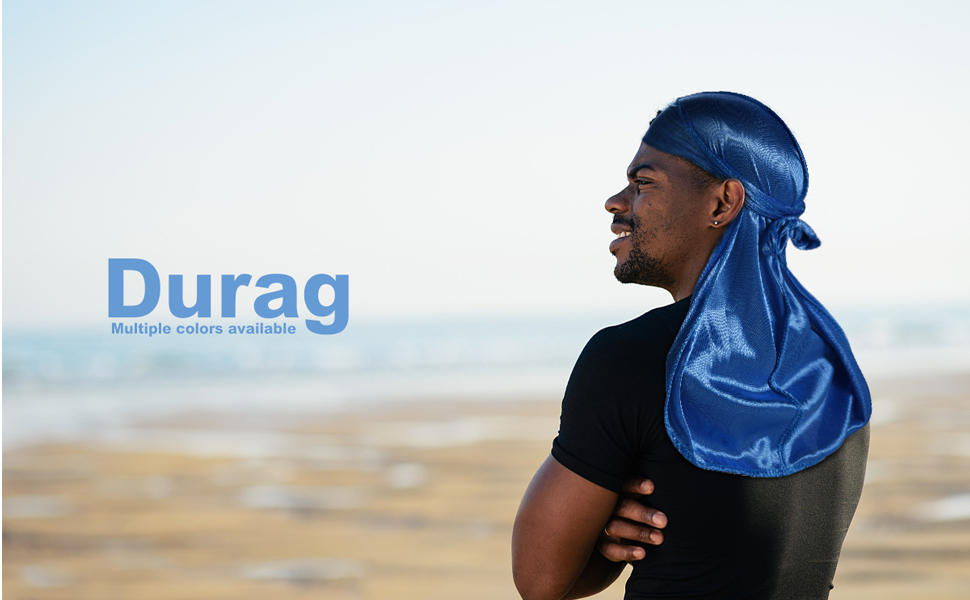
Struggling to keep your waves in place? What you need is a wave cap or a durag. A durag will work excellently for holding your hair when you’re asleep as it doesn’t come off as readily as a wave cap.
 
Wave caps, on the other hand, will be your workout companion, preventing sweat from reaching your eyes and keeping your hair in place when you’re exercising.
 
Durags and wave caps are also great fashion items, and they will help bring out your preferences and portray your image.
 
No matter your hair type or hairstyle, these products are great for maintaining it. They work with curls, waves, braids, and many other styles.

How to Choose the Right Wave Cap

A wave cap is used not only as a style and fashion but also as a tool to promote the good development of waves or just to protect hair. But to serve its purpose, it has to be the correct wave cap in the first place.

Here are a few considerations to make when looking for the best wave cap.

Color

In the past, wave caps were ugly, and not something to go showing off outside your house or gym. But these days, there’s a great diversity of wave caps. You can get a nice unit for any occasion.

With regards to that. Color is one of the aspects you want to look at. When buying, check if the seller offers a variety of colors and pick the colors that appeal to you. You could even get one with the flag on it or some other color scheme or design.

When thinking about the color, it’s good to also consider the transparency. There are see-through options and opaque ones, and your choice is all a matter of preference. See-through options are great for when you want to show off those nice waves.

Material

This is without a doubt, the most important factor to consider when looking for a wave cap. There are the following materials:

  • Polyester – this material is pretty thin and you can often see through caps made from it. The problem with poly caps is that they don’t lay down the hair very well, which can affect the wave formation. They also don’t have a good shine. Compared to nylon, polyester is also great in other attire like leggings.
  • Satin – satin caps look really polished and happen to be nicely shiny. Satin caps are good for looks and laying the waves down.
  • Pure silk – like satin, it’s very shiny and smooth. But, it’s tough and not very lightweight, and doesn’t easily conform to your hair.
  • Velvet – these are finest when it comes to looks. Velvet caps look really great on your hair. But, pure velvet isn’t very good for laying down the waves and keeping them in place.
  • Velvet silky – this is a combination of velvet and silk, and it’s a good quality wave cap for waves as far as laying down the hair, keeping it in place, and keeping you looking great are concerned. This option has velvet on the outside and silk on the inside.
  • Spandex – the thing about spandex is that it is very stretchy, lightweight and conforms perfectly to your hair. However, it doesn’t have the same ability to lay down your hair as velvet-silky.

Take away – velvet-silky is a high-quality material that can make a perfect cap capable of laying your waves down and keeping them in place. These caps are also comfortable to wear.

Position of the Seam

Ever seen someone with a weird line ruining the wave formation in the middle of their hair from the front all the way to the back after removing their wave cap or durag? That’s the effect of the middle seam being on the inside. To avoid that unattractive effect, look for a cap that has its middle seam on the outside rather than on the inside.

Frequently Asked Questions

What Is the Use of a Wave Cap?

Durags serve a whole range of purposes. They protect hair from sunburn, thereby preventing it from becoming dull, they encourage wave development by keeping the hair laid down, and they are worn as a fashion.

And of course, there are many other purposes including holding the hairstyle and preventing sweat from getting to the eyes during exercise.

What Material Is Most Suited for Wave Caps?

Velvet-silky. This material has velvet on the outside and silk on the inside. The velvet on the outside is great for looks while the silk on the inside provides a nice, soft and smooth surface for good wave development.

How Does a Wave Cap Help Make Waves?

Just wearing a wave cap is unlikely to result in 360 waves. But if you’re doing what needs to be done to make waves, including brushing and applying wave pomades, then a wave cap will be immensely helpful.

It prevents hair from growing outward and instead keeps it laid down, which is good for wave formation.

Final Word

As I wind up, I hope you’ve found the best wave cap or durag. When choosing one, it’s important to think about the material. Ideally, you should get one made of velvet-silk, meaning it has velvet exterior and a silk interior, as it will lay down your waves perfectly while keeping you looking cool.

Other things to consider include the fit, color, and middle seam, which should be on the outside.

Feel free to share your thoughts in the comments.

āļāđˆāļ­āļ™āļŦāļ™āđ‰āļē
How to Look Good Without Makeup
āļ•āđˆāļ­āđ„āļ›
The Best Packable Sun Hats of 2024

āļ„āļ§āļēāļĄāļ„āļīāļ”āđ€āļŦāđ‡āļ™

āļŠāļ·āđˆāļ­
āđ„āļ›āļĢāļĐāļ“āļĩāļĒāđŒ
āļ„āļ§āļēāļĄāļ„āļīāļ”āđ€āļŦāđ‡āļ™