• English
  • Ø§Ų„ØđØąØĻ؊ØĐŲ
  • ÐąŅŠÐŧÐģÐ°Ņ€ŅÐšÐļ ÐĩзÐļК
  • čeÅĄtina
  • Dansk
  • Deutsch
  • ÎĩÎŧÎŧÎ·Î―ÎđΚΎ
  • EspaÃąol
  • eesti
  • suomi
  • Français
  • āĪđāĪŋāĪĻāĨāĪĶāĨ€
  • hrvatski jezik
  • magyar
  • Bahasa Indonesia
  • Italiano
  • æ—ĨæœŽčŠž
  • 한ęĩ­ėļ
  • lietuviÅģ kalba
  • latvieÅĄu valoda
  • Bahasa Melayu
  • Norsk BokmÃĪl
  • Nederlands
  • Polskie
  • PortuguÊs (Brasil)
  • PortuguÊs (Portugal)
  • RomÃĒnă
  • PŅƒŅŅÐšÐļÐđ
  • Slovenčina
  • Slovenski jezik
  • Svenska
  • āđ„āļ—āļĒ
  • TÞrkçe
  • Tiášŋng Viáŧ‡t
  • āļ­āļąāļŸāļāļēāļ™āļīāļŠāļ–āļēāļ™
  • āļŦāļĄāļđāđˆāđ€āļāļēāļ°āđ‚āļ­āļĨāļąāļ™āļ”āđŒ
  • āđāļ­āļĨāđ€āļšāđ€āļ™āļĩāļĒ
  • āđāļ­āļĨāļˆāļĩāđ€āļĢāļĩāļĒ
  • āļ­āđ€āļĄāļĢāļīāļāļąāļ™āļ‹āļēāļĄāļąāļ§
  • āļ­āļąāļ™āļ”āļ­āļĢāđŒāļĢāļē
  • āđāļ­āļ‡āđ‚āļāļĨāļē
  • āđāļ­āļ‡āļāļ§āļīāļĨāļĨāļē
  • āđāļ­āļ™āļ•āļēāļĢāđŒāļāļ•āļīāļāļē
  • āđāļ­āļ™āļ•āļīāļāļēāđāļĨāļ°āļšāļēāļĢāđŒāļšāļđāļ”āļē
  • āļ­āļēāļĢāđŒāđ€āļˆāļ™āļ•āļīāļ™āļē
  • āļ­āļēāļĢāđŒāđ€āļĄāđ€āļ™āļĩāļĒ
  • āļ­āļēāļĢāļđāļšāļē
  • āđ€āļāļēāļ°āļŠāļ§āļĢāļĢāļ„āđŒ
  • āļ­āļ­āļŠāđ€āļ•āļĢāđ€āļĨāļĩāļĒ
  • āļ­āļ­āļŠāđ€āļ•āļĢāļĩāļĒ
  • āļ­āļēāđ€āļ‹āļ­āļĢāđŒāđ„āļšāļˆāļēāļ™
  • āļšāļēāļŪāļēāļĄāļēāļŠ
  • āļšāļēāļŦāđŒāđ€āļĢāļ™
  • āļšāļąāļ‡āļ„āļĨāļēāđ€āļ—āļĻ
  • āļšāļēāļĢāđŒāđ€āļšāđ‚āļ”āļŠ
  • āđ€āļšāļĨāļēāļĢāļļāļŠ
  • āđ€āļšāļĨāđ€āļĒāļĩāļĒāļĄ
  • āđ€āļšāļĨāļĩāļ‹
  • āđ€āļšāļ™āļīāļ™
  • āđ€āļšāļ­āļĢāđŒāļĄāļīāļ§āļ”āļē
  • āļ āļđāļāļēāļ™
  • āđ‚āļšāļĨāļīāđ€āļ§āļĩāļĒ
  • āļšāļ­āļŠāđ€āļ™āļĩāļĒāđāļĨāļ°āđ€āļŪāļ­āļĢāđŒāđ€āļ‹āđ‚āļāļ§āļĩāļ™āļē
  • āļšāļ­āļ•āļŠāļ§āļēāļ™āļē
  • āđ€āļāļēāļ°āļšāļđāđ€āļ§āļ•
  • āļšāļĢāļēāļ‹āļīāļĨ
  • āļšāļĢāļīāļ•āļīāļŠāļ­āļīāļ™āđ€āļ”āļĩāļĒāļ™āđ‚āļ­āđ€āļŠāļĩāļĒāļ™āđ€āļ—āļĢāđŒāļĢāļīāļ—āļ­āļĢāļĩ
  • āļšāļĢāļđāđ„āļ™
  • āļšāļąāļĨāđāļāđ€āļĢāļĩāļĒ
  • āļšāļđāļĢāđŒāļāļīāļ™āļēāļŸāļēāđ‚āļ‹
  • āļšāļļāļĢāļļāļ™āļ”āļĩ
  • āļāļąāļĄāļžāļđāļŠāļē
  • āđāļ„āđ€āļĄāļ­āļĢāļđāļ™
  • āđāļ„āļ™āļēāļ”āļē
  • āđ€āļ„āļ›āđ€āļ§āļīāļĢāđŒāļ”
  • āļŦāļĄāļđāđˆāđ€āļāļēāļ°āđ€āļ„āļĒāđŒāđāļĄāļ™
  • āļŠāļēāļ˜āļēāļĢāļ“āļĢāļąāļāđāļ­āļŸāļĢāļīāļāļēāļāļĨāļēāļ‡
  • āļŠāļēāļ”
  • āļŠāļīāļĨāļĩ
  • āļˆāļĩāļ™
  • āđ€āļāļēāļ°āļ„āļĢāļīāļŠāļ•āđŒāļĄāļēāļŠ
  • āļŦāļĄāļđāđˆāđ€āļāļēāļ°āđ‚āļ„āđ‚āļ„āļŠ (āļŦāļĄāļđāđˆāđ€āļāļēāļ°āļ„āļĩāļĨāļīāļ‡)
  • āđ‚āļ„āļĨāļ­āļĄāđ€āļšāļĩāļĒ
  • āļ„āļ­āđ‚āļĄāđ‚āļĢāļŠ
  • āļ„āļ­āļ‡āđ‚āļ - āļšāļĢāļēāļ‹āļ‹āļēāļ§āļīāļĨ
  • āļ„āļ­āļ‡āđ‚āļ - āļāļīāļ™āļŠāļēāļ‹āļē
  • āļŦāļĄāļđāđˆāđ€āļāļēāļ°āļ„āļļāļ
  • āļ„āļ­āļŠāļ•āļēāļĢāļīāļāļē
  • āđ‚āļāļ•āļ”āļīāļ§āļąāļ§āļĢāđŒ
  • āđ‚āļ„āļĢāđ€āļ­āđ€āļŠāļĩāļĒ
  • āđ„āļ‹āļ›āļĢāļąāļŠ
  • āđ€āļŠāđ‡āļ
  • āđ€āļ”āļ™āļĄāļēāļĢāđŒāļ
  • āļˆāļīāļšāļđāļ•āļĩ
  • āđ‚āļ”āļĄāļīāļ™āļīāļāļē
  • āļŠāļēāļ˜āļēāļĢāļ“āļĢāļąāļāđ‚āļ”āļĄāļīāļ™āļīāļāļąāļ™
  • āđ€āļ­āļāļ§āļēāļ”āļ­āļĢāđŒ
  • āļ­āļĩāļĒāļīāļ›āļ•āđŒ
  • āđ€āļ­āļĨāļ‹āļąāļĨāļ§āļēāļ”āļ­āļĢāđŒ
  • āļ­āļīāđ€āļ„āļ§āļ—āļ­āđ€āļĢāļĩāļĒāļĨāļāļīāļ™āļĩ
  • āđ€āļ­āļĢāļīāđ€āļ—āļĢāļĩāļĒ
  • āđ€āļ­āļŠāđ‚āļ•āđ€āļ™āļĩāļĒ
  • āđ€āļ­āļ˜āļīāđ‚āļ­āđ€āļ›āļĩāļĒ
  • āļŦāļĄāļđāđˆāđ€āļāļēāļ°āļŸāļ­āļĨāđŒāļāđāļĨāļ™āļ”āđŒ
  • āļŦāļĄāļđāđˆāđ€āļāļēāļ°āđāļŸāđ‚āļĢ
  • āļŸāļīāļˆāļī
  • āļŸāļīāļ™āđāļĨāļ™āļ”āđŒ
  • āļāļĢāļąāđˆāļ‡āđ€āļĻāļŠ
  • āđ€āļŸāļĢāļ™āļŠāđŒāđ€āļāļĩāļĒāļ™āļē
  • āđ€āļŸāļĢāļ™āļŠāđŒāđ‚āļ›āļĨāļīāļ™āļĩāđ€āļ‹āļĩāļĒ
  • āđ€āļŸāļĢāļ™āļŠāđŒāđ€āļ‹āļēāđ€āļ—āļīāļĢāđŒāļ™āđ€āļ—āļĢāđŒāļĢāļīāļ—āļ­āļĢāļĩāļŠāđŒ
  • āļāļēāļšāļ­āļ‡
  • āđāļāļĄāđ€āļšāļĩāļĒ
  • āļˆāļ­āļĢāđŒāđ€āļˆāļĩāļĒ
  • āđ€āļĒāļ­āļĢāļĄāļ™āļĩ
  • āļāļēāļ™āļē
  • āļĒāļīāļšāļĢāļ­āļĨāļ•āļēāļĢāđŒ
  • āļāļĢāļĩāļ‹
  • āļāļĢāļĩāļ™āđāļĨāļ™āļ”āđŒ
  • āđ€āļāļĢāđ€āļ™āļ”āļē
  • āļāļ§āļēāđ€āļ”āļ­āļĨāļđāļ›
  • āļāļ§āļĄ
  • āļāļąāļ§āđ€āļ•āļĄāļēāļĨāļē
  • āđ€āļāļīāļĢāđŒāļ™āļ‹āļĩāļĒāđŒ
  • āļāļīāļ™āļĩ
  • āļāļīāļ™āļĩ-āļšāļīāļŠāđ€āļ‹āļē
  • āļāļēāļĒāļ­āļēāļ™āļē
  • āđ€āļŪāļ•āļī
  • āđ€āļāļēāļ°āđ€āļŪāļīāļĢāđŒāļ”āđāļĨāļ°āļŦāļĄāļđāđˆāđ€āļāļēāļ°āđāļĄāļāļ”āļ­āļ™āļąāļĨāļ”āđŒ
  • āļŪāļ­āļ™āļ”āļđāļĢāļąāļŠ
  • āđ€āļ‚āļ•āļ›āļāļ„āļĢāļ­āļ‡āļžāļīāđ€āļĻāļĐāļŪāđˆāļ­āļ‡āļāļ‡
  • āļŪāļąāļ‡āļāļēāļĢāļĩ
  • āđ„āļ­āļ‹āđŒāđāļĨāļ™āļ”āđŒ
  • āļ­āļīāļ™āđ€āļ”āļĩāļĒ
  • āļ­āļīāļ™āđ‚āļ”āļ™āļĩāđ€āļ‹āļĩāļĒ
  • āļ­āļīāļĢāļąāļ
  • āđ„āļ­āļĢāđŒāđāļĨāļ™āļ”āđŒ
  • āđ„āļ­āļĨāđŒāļ­āļ­āļŸāđāļĄāļ™
  • āļ­āļīāļŠāļĢāļēāđ€āļ­āļĨ
  • āļ­āļīāļ•āļēāļĨāļĩ
  • āļˆāļēāđ„āļĄāļāļē
  • āļāļĩāđˆāļ›āļļāđˆāļ™
  • āđ€āļˆāļ­āļĢāđŒāļ‹āļĩāļĒāđŒ
  • āļˆāļ­āļĢāđŒāđāļ”āļ™
  • āļ„āļēāļ‹āļąāļ„āļŠāļ–āļēāļ™
  • āđ€āļ„āļ™āļĒāļē
  • āļ„āļīāļĢāļīāļšāļēāļŠ
  • āđ€āļāļēāļŦāļĨāļĩāđƒāļ•āđ‰
  • āļ„āļđāđ€āļ§āļ•
  • āļ„āļĩāļĢāđŒāļāļĩāļ‹āļŠāļ–āļēāļ™
  • āļĨāļēāļ§
  • āļĨāļąāļ•āđ€āļ§āļĩāļĒ
  • āđ€āļĨāļšāļēāļ™āļ­āļ™
  • āđ€āļĨāđ‚āļ‹āđ‚āļ—
  • āđ„āļĨāļšāļĩāđ€āļĢāļĩāļĒ
  • āļĨāļīāđ€āļšāļĩāļĒ
  • āļĨāļīāļāđ€āļ•āļ™āļŠāđ„āļ•āļ™āđŒ
  • āļĨāļīāļ—āļąāļ§āđ€āļ™āļĩāļĒ
  • āļĨāļąāļāđ€āļ‹āļĄāđ€āļšāļīāļĢāđŒāļ
  • āđ€āļ‚āļ•āļ›āļāļ„āļĢāļ­āļ‡āļžāļīāđ€āļĻāļĐāļĄāļēāđ€āļāđŠāļē
  • āļĄāļēāļ”āļēāļāļąāļŠāļāļēāļĢāđŒ
  • āļĄāļēāļĨāļēāļ§āļĩ
  • āļĄāļēāđ€āļĨāđ€āļ‹āļĩāļĒ
  • āļĄāļąāļĨāļ”āļĩāļŸāļŠāđŒ
  • āļĄāļēāļĨāļĩ
  • āļĄāļ­āļĨāļ•āļē
  • āļŦāļĄāļđāđˆāđ€āļāļēāļ°āļĄāļēāļĢāđŒāđāļŠāļĨāļĨāđŒ
  • āļĄāļēāļĢāđŒāļ•āļīāļ™āļĩāļ
  • āļĄāļ­āļĢāļīāđ€āļ•āđ€āļ™āļĩāļĒ
  • āļĄāļ­āļĢāļīāđ€āļŠāļĩāļĒāļŠ
  • āļĄāļēāļĒāļ­āļ•
  • āđ€āļĄāđ‡āļāļ‹āļīāđ‚āļ
  • āđ„āļĄāđ‚āļ„āļĢāļ™āļĩāđ€āļ‹āļĩāļĒ
  • āļĄāļ­āļĨāđ‚āļ”āļ§āļē
  • āđ‚āļĄāļ™āļēāđ‚āļ
  • āļĄāļ­āļ‡āđ‚āļāđ€āļĨāļĩāļĒ
  • āļĄāļ­āļ™āđ€āļ•āđ€āļ™āđ‚āļāļĢ
  • āļĄāļ­āļ™āļ•āđŒāđ€āļ‹āļ­āļĢāđŒāļĢāļąāļ•
  • āđ‚āļĄāļĢāđ‡āļ­āļāđ‚āļ
  • āđ‚āļĄāļ‹āļąāļĄāļšāļīāļ
  • āđ€āļĄāļĩāļĒāļ™āļĄāļēāļĢāđŒ (āļžāļĄāđˆāļē)
  • āļ™āļēāļĄāļīāđ€āļšāļĩāļĒ
  • āļ™āļēāļ­āļđāļĢāļđ
  • āđ€āļ™āļ›āļēāļĨ
  • āđ€āļ™āđ€āļ˜āļ­āļĢāđŒāđāļĨāļ™āļ”āđŒ
  • āđ€āļ™āđ€āļ˜āļ­āļĢāđŒāđāļĨāļ™āļ”āđŒāđāļ­āļ™āļ—āļīāļĨāļĨāļīāļŠ
  • āļ™āļīāļ§āđāļ„āļĨāļīāđ‚āļ”āđ€āļ™āļĩāļĒ
  • āļ™āļīāļ§āļ‹āļĩāđāļĨāļ™āļ”āđŒ
  • āļ™āļīāļāļēāļĢāļēāļāļąāļ§
  • āđ„āļ™āđ€āļˆāļ­āļĢāđŒ
  • āđ„āļ™āļˆāļĩāđ€āļĢāļĩāļĒ
  • āļ™āļĩāļ­āļđāđ€āļ­
  • āđ€āļāļēāļ°āļ™āļ­āļĢāđŒāļŸāļ­āļĨāđŒāļ
  • āļ™āļ­āļĢāđŒāļ—āļĄāļēāļ‹āļīāđ‚āļ”āđ€āļ™āļĩāļĒ
  • āļŦāļĄāļđāđˆāđ€āļāļēāļ°āļ™āļ­āļĢāđŒāđ€āļ—āļīāļĢāđŒāļ™āļĄāļēāđ€āļĢāļĩāļĒāļ™āļē
  • āļ™āļ­āļĢāđŒāđ€āļ§āļĒāđŒ
  • āđ‚āļ­āļĄāļēāļ™
  • āļ›āļēāļāļĩāļŠāļ–āļēāļ™
  • āļ›āļēāđ€āļĨāļē
  • āļ”āļīāļ™āđāļ”āļ™āļ›āļēāđ€āļĨāļŠāđ„āļ•āļ™āđŒ
  • āļ›āļēāļ™āļēāļĄāļē
  • āļ›āļēāļ›āļąāļ§āļ™āļīāļ§āļāļīāļ™āļĩ
  • āļ›āļēāļĢāļēāļāļ§āļąāļĒ
  • āđ€āļ›āļĢāļđ
  • āļŸāļīāļĨāļīāļ›āļ›āļīāļ™āļŠāđŒ
  • āļŦāļĄāļđāđˆāđ€āļāļēāļ°āļžāļīāļ•āđāļ„āļĢāđŒāļ™
  • āđ‚āļ›āđāļĨāļ™āļ”āđŒ
  • āđ‚āļ›āļĢāļ•āļļāđ€āļāļŠ
  • āđ€āļ›āļ­āļĢāđŒāđ‚āļ•āļĢāļīāđ‚āļāđ‰
  • āļāļēāļ•āļēāļĢāđŒ
  • āđ€āļĢāļ­āļđāđ€āļ™āļĩāļĒāļ‡
  • āđ‚āļĢāļĄāļēāđ€āļ™āļĩāļĒ
  • āļĢāļąāļŠāđ€āļ‹āļĩāļĒ
  • āļĢāļ§āļąāļ™āļ”āļē
  • āļ‹āļēāļĄāļąāļ§
  • āļ‹āļēāļ™āļĄāļēāļĢāļĩāđ‚āļ™
  • āđ€āļ‹āļēāļ•āļđāđ€āļĄāđāļĨāļ°āļ›āļĢāļīāļ™āļ‹āļīāļ›āļĩ
  • āļ‹āļēāļ­āļļāļ”āļĩāļ­āļēāļĢāļ°āđ€āļšāļĩāļĒ
  • āđ€āļ‹āđ€āļ™āļāļąāļĨ
  • āđ€āļ‹āļ­āļĢāđŒāđ€āļšāļĩāļĒ
  • āđ€āļ‹āđ€āļŠāļĨāļŠāđŒ
  • āđ€āļ‹āļĩāļĒāļĢāđŒāļĢāļēāļĨāļĩāđ‚āļ­āļ™
  • āļŠāļīāļ‡āļ„āđ‚āļ›āļĢāđŒ
  • āļŠāđ‚āļĨāļ§āļēāđ€āļāļĩāļĒ
  • āļŠāđ‚āļĨāļ§āļĩāđ€āļ™āļĩāļĒ
  • āļŦāļĄāļđāđˆāđ€āļāļēāļ°āđ‚āļ‹āđ‚āļĨāļĄāļ­āļ™
  • āđ‚āļ‹āļĄāļēāđ€āļĨāļĩāļĒ
  • āđāļ­āļŸāļĢāļīāļāļēāđƒāļ•āđ‰
  • āđ€āļāļēāļ°āđ€āļ‹āļēāļ—āđŒāļˆāļ­āļĢāđŒāđ€āļˆāļĩāļĒāđāļĨāļ°āļŦāļĄāļđāđˆāđ€āļāļēāļ°āđ€āļ‹āļēāļ—āđŒāđāļ‹āļ™āļ”āđŒāļ§āļīāļŠ
  • āļŠāđ€āļ›āļ™
  • āļĻāļĢāļĩāļĨāļąāļ‡āļāļē
  • āđ€āļ‹āļ™āļ•āđŒāļĄāļēāļĢāđŒāļ•āļīāļ™
  • āđ€āļ‹āļ™āļ•āđŒāđ€āļŪāđ€āļĨāļ™āļē
  • āđ€āļ‹āļ™āļ•āđŒāļ„āļīāļ•āļŠāđŒāđāļĨāļ°āđ€āļ™āļ§āļīāļŠ
  • āđ€āļ‹āļ™āļ•āđŒāļĨāļđāđ€āļ‹āļĩāļĒ
  • āđāļ‹āļ‡āļ›āļĩāđāļĒāļĢāđŒāđāļĨāļ°āļĄāļĩāđ€āļāļ­āļĨāļ‡
  • āđ€āļ‹āļ™āļ•āđŒāļ§āļīāļ™āđ€āļ‹āļ™āļ•āđŒāđāļĨāļ°āđ€āļāļĢāļ™āļēāļ”āļĩāļ™āļŠāđŒ
  • āļ‹āļđāļ”āļēāļ™
  • āļ‹āļđāļĢāļīāļ™āļēāđ€āļĄ
  • āļŠāļŸāļēāļĨāļšāļēāļĢāđŒāđāļĨāļ°āļĒāļēāļ™āđ„āļĄāđ€āļ­āļ™
  • āđ€āļ­āļŠāļ§āļēāļ•āļĩāļ™āļĩ
  • āļŠāļ§āļĩāđ€āļ”āļ™
  • āļŠāļ§āļīāļ•āđ€āļ‹āļ­āļĢāđŒāđāļĨāļ™āļ”āđŒ
  • āđ„āļ•āđ‰āļŦāļ§āļąāļ™
  • āļ—āļēāļˆāļīāļāļīāļŠāļ–āļēāļ™
  • āđāļ—āļ™āļ‹āļēāđ€āļ™āļĩāļĒ
  • āļ›āļĢāļ°āđ€āļ—āļĻāđ„āļ—āļĒ
  • āļ•āļīāļĄāļ­āļĢāđŒāļ•āļ°āļ§āļąāļ™āļ­āļ­āļ
  • āđ‚āļ•āđ‚āļ
  • āđ‚āļ•āđ€āļāđ€āļĨāļē
  • āļ•āļ­āļ‡āļāļē
  • āļ•āļĢāļīāļ™āļīāđāļ”āļ”āđāļĨāļ°āđ‚āļ•āđ€āļšāđ‚āļ
  • āļ—āļĢāļīāļŠāļ•āļąāļ™āļ”āļēāļ„āļđāđ€āļ™āļĩāļĒ
  • āļ•āļđāļ™āļīāđ€āļ‹āļĩāļĒ
  • āļ•āļļāļĢāļāļĩ
  • āđ€āļ•āļīāļĢāđŒāļāđ€āļĄāļ™āļīāļŠāļ–āļēāļ™
  • āļŦāļĄāļđāđˆāđ€āļāļēāļ°āđ€āļ•āļīāļāļŠāđŒāđāļĨāļ°āļŦāļĄāļđāđˆāđ€āļāļēāļ°āđ€āļ„āļ„āļ­āļŠ
  • āļ•āļđāļ§āļēāļĨāļđ
  • āļĒāļđāļāļąāļ™āļ”āļē
  • āļĒāļđāđ€āļ„āļĢāļ™
  • āļŠāļŦāļĢāļąāļāļ­āļēāļŦāļĢāļąāļšāđ€āļ­āļĄāļīāđ€āļĢāļ•āļŠāđŒ
  • āļŠāļŦāļĢāļēāļŠāļ­āļēāļ“āļēāļˆāļąāļāļĢ
  • āļŠāļŦāļĢāļąāļāļ­āđ€āļĄāļĢāļīāļāļē
  • āļŦāļĄāļđāđˆāđ€āļāļēāļ°āļĢāļ­āļšāļ™āļ­āļāļ‚āļ­āļ‡āļŠāļŦāļĢāļąāļāļ­āđ€āļĄāļĢāļīāļāļē
  • āļ­āļļāļĢāļļāļāļ§āļąāļĒ
  • āļ­āļļāļ‹āđ€āļšāļāļīāļŠāļ–āļēāļ™
  • āļ§āļēāļ™āļđāļ­āļēāļ•āļđ
  • āļ™āļ„āļĢāļĢāļąāļāļ§āļēāļ•āļīāļāļąāļ™
  • āđ€āļ§āđ€āļ™āļ‹āļļāđ€āļ­āļĨāļē
  • āđ€āļ§āļĩāļĒāļ”āļ™āļēāļĄ
  • āļŦāļĄāļđāđˆāđ€āļāļēāļ°āđ€āļ§āļ­āļĢāđŒāļˆāļīāļ™
  • āļŦāļĄāļđāđˆāđ€āļāļēāļ°āļšāļĢāļīāļ•āļīāļŠāđ€āļ§āļ­āļĢāđŒāļˆāļīāļ™
  • āļ§āļēāļĨāļĨāļīāļŠāđāļĨāļ°āļŸāļļāļ•āļđāļ™āļē
  • āđ€āļ§āļŠāđ€āļ—āļīāļĢāđŒāļ™āļŠāļ°āļŪāļēāļĢāļē
  • āđ€āļĒāđ€āļĄāļ™
  • āđāļ‹āļĄāđ€āļšāļĩāļĒ
  • āļ‹āļīāļĄāļšāļąāļšāđ€āļ§

āļ›āļīāļ”

The Best Packable Sun Hats of 2024

Apr 18,2024 | EINSKEY

A sun hat is a crucial part of a traveler’s wardrobe, acting as both a style statement and a layer of protection from the natural elements. It’s an especially important piece for those who are conscious of the sun’s harmful effects on their skin and those who spend a significant amount of time on the beach, by the pool, or partaking in other outdoor adventures during their travels.

While donning a floppy, straw, or bucket hat is par for the course on many vacations, there is one question that regularly precedes departure: what’s the best way to travel with a sun hat? After all, many of them can be big, bulky, and awkward to maneuver through airports, or impossible to fit into a suitcase without getting destroyed. There are a variety of tips, tricks, and tools to the art of packing this type of accessory — more on that below — but the easiest answer is to find a packable hat, one that’s designed to be folded or shaped into something more transportable. Read on to discover the best packable sun hats of 2024.
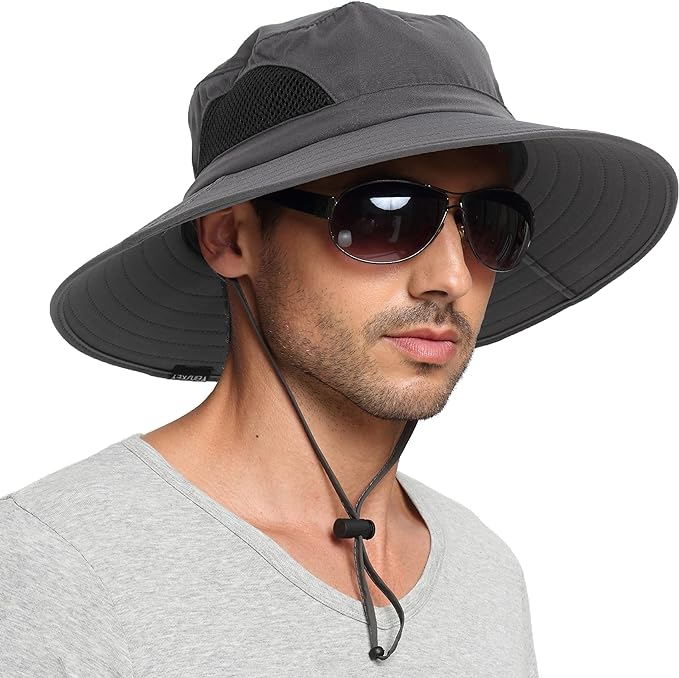
 

The EINSKEY Waterproof Wide Brim Bucket Hat is every outdoor adventurer’s dream. The unisex style has multiple features and characteristics that align with hiking, camping, or any extended period of time spent outside. For starters, the water-repellent polyester material is incredibly lightweight and effective at preventing rain from getting through the barrier.

The hat maintains a UPF rating of 50+, and the brim measures nearly 4 inches, which means it works wonders to shield your eyes, face, and neck from the sun. Additional attributes include breathable mesh panels, a built-in sweatband, and a convenient ponytail hole. To ensure a proper fit, adjust the elastic drawstring and chin strap as needed. When not in use, it can be folded and stored in your hiking backpack.

Tips for Buying Packable Sun Hats

Choose a hat with a high UPF rating and adjustable features

A summer hat’s first job is to protect you from the sun’s harmful rays. To determine just how well it will perform, look for its UPF (UV Protection Factor) rating. This number indicates how much a piece of clothing or accessory will protect against ultraviolet energy — and how much UV radiation could reach your skin. A good rule of thumb is to aim for a sun hat with a UPF of 30 or higher; the higher the UPF, the better. The highest UPF rating is 50+, which means the hat will block at least 98 percent of UV radiation. You’ll also want to consider a sun hat that has adjustable features — whether the brim itself can be molded to your preference, the chin straps can be tightened or loosened, or the band can be taken in or out to perfect the fit. This flexibility guarantees the hat will sit atop your head properly, and you’ll get the most wear from your purchase.

Think about your intended activity

Before you purchase a new sun hat for your Caribbean trip or Florida vacation, take a look at your itinerary. While a wide-brim sun hat is ideal for lounging at the beach, you may want something more secure for more active pursuits like hiking or running. Visors combine protection with ventilation (and they’re more comfortable for lying back in a chair). And if you’re going to be on a boat or somewhere especially windy, choose a hat with a chin strap to ensure it doesn’t blow away.

Consider the material

Sun hats come in a variety of different materials and fabrics, but some will keep you cooler and more covered than others. For the most part, you’ll want to stick with breathable, quick-drying, and lightweight materials, such as nylon, linen, straw, palm, and cotton. You can then narrow down your selection based on the materials’ qualities: straw is one of the most breathable options, but it’s harder to clean. Nylon, palm, and linen all serve to wick away moisture; cotton, although comfortable, doesn’t hold its shape when wet.


Frequently Asked Questions
  • What is the coolest material for a sun hat?

    There’s a reason many of the summer hats you’ll find are made of straw. Thanks to its open weave and overall better circulation, straw tends to keep you the coolest while in the sun. Straw, however, isn’t every traveler’s first choice for a sun hat (as it’s more susceptible to damage caused by moisture and general wear and tear). Travelers in search of an alternative material should look for hats made out of linen, cotton, or sweat-wicking polyester.

  • How do I pack a packable sun hat?

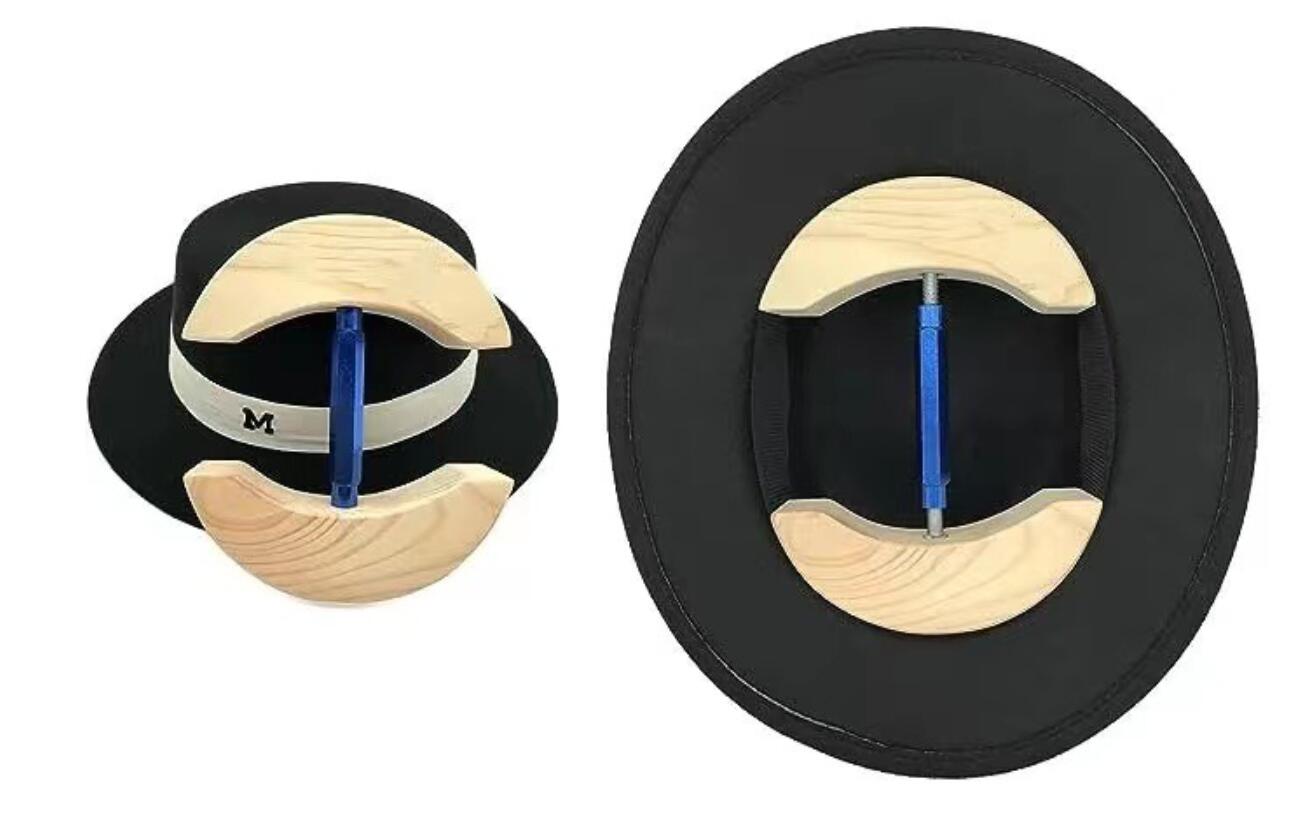
    There are a few ways to transport a packable sun hat. For the most part, you’ll be able to fold or roll the hat into a more manageable shape; just be sure to check the brand or manufacturer’s instructions first. Another packing hack is to lay the upside-down hat in your suitcase and support the inside of the crown and the brim with clothes (filled packing cubes are also great for this trick).  

  • What size brim is best for sun protection?

    The wider the hat brim, the more sun protection you can expect. Most travelers should aim to wear a hat with a brim of 3 or more inches; this size usually falls in the “wide brim” category. Of course, wide brims aren’t suitable for all activities, but a wide-brim hat is highly recommended for anyone who will experience prolonged exposure to direct sunlight.

āļāđˆāļ­āļ™āļŦāļ™āđ‰āļē
How to Choose the Right Wave Cap
āļ•āđˆāļ­āđ„āļ›
THE BALANCE BETWEEN JOB AND FAMILIES

āļ„āļ§āļēāļĄāļ„āļīāļ”āđ€āļŦāđ‡āļ™

āļŠāļ·āđˆāļ­
āđ„āļ›āļĢāļĐāļ“āļĩāļĒāđŒ
āļ„āļ§āļēāļĄāļ„āļīāļ”āđ€āļŦāđ‡āļ™